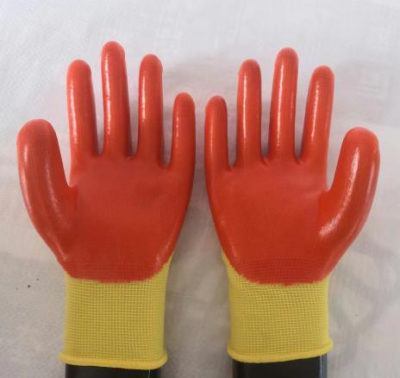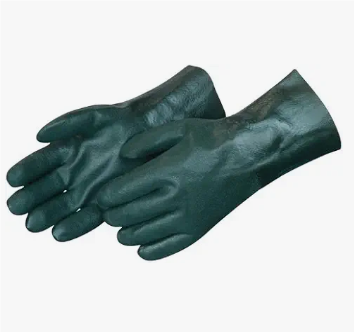
Chemical Resistant Gloves
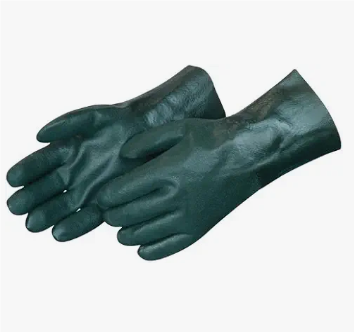
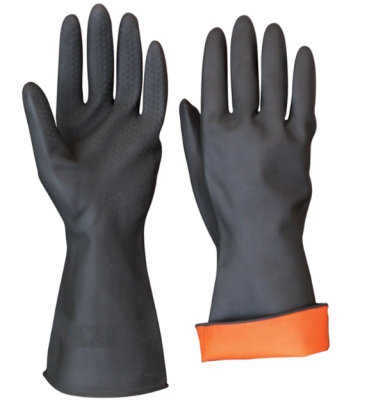
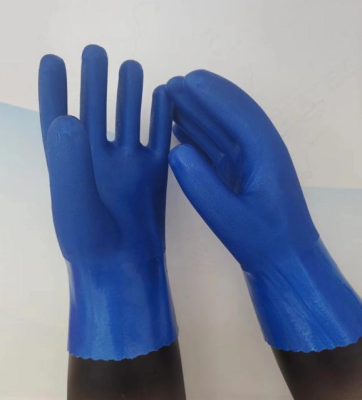
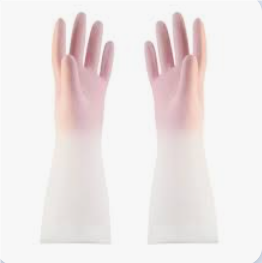
PVC (Polyvinyl Chloride): Known for its durability, flexibility, and resistance to chemicals, oils, and acids. PVC is waterproof and provides a good barrier against liquids.
Chemical Resistance:
Excellent Protection: Offers protection against a wide range of chemicals, including oils, greases, acids, and solvents, making them suitable for tasks involving hazardous substances.
Durability:
Abrasion and Tear Resistance: PVC gloves are typically designed to withstand tough conditions, including abrasions and tears, which is important in industrial and construction environments.
Grip and Texture:
Textured Surface: Often feature a textured surface on the palms or fingers to enhance grip, especially when handling slippery or wet objects.
Lining Options:
Flock-Lined: Some PVC gloves are lined with a soft, absorbent material, such as cotton, to improve comfort, reduce sweating, and make the gloves easier to put on and take off.
Unlined: Unlined gloves are more economical and provide better tactile sensitivity but may be less comfortable for prolonged use.
Length and Cuff Styles:
Various Lengths: Available in different lengths, from wrist-length to elbow-length, providing varying levels of protection depending on the task.
Cuff Styles: May include straight cuffs, gauntlet cuffs, or knit cuffs, depending on the desired level of wrist protection and ease of donning.
Heat Resistance:
Moderate Heat Protection: PVC gloves offer some level of heat resistance, but they are not suitable for high-temperature applications.
Allergy-Friendly:
Latex-Free: An excellent alternative for individuals with latex allergies, as PVC does not contain natural rubber latex.